
Underground Downspout Drains vs Extensions
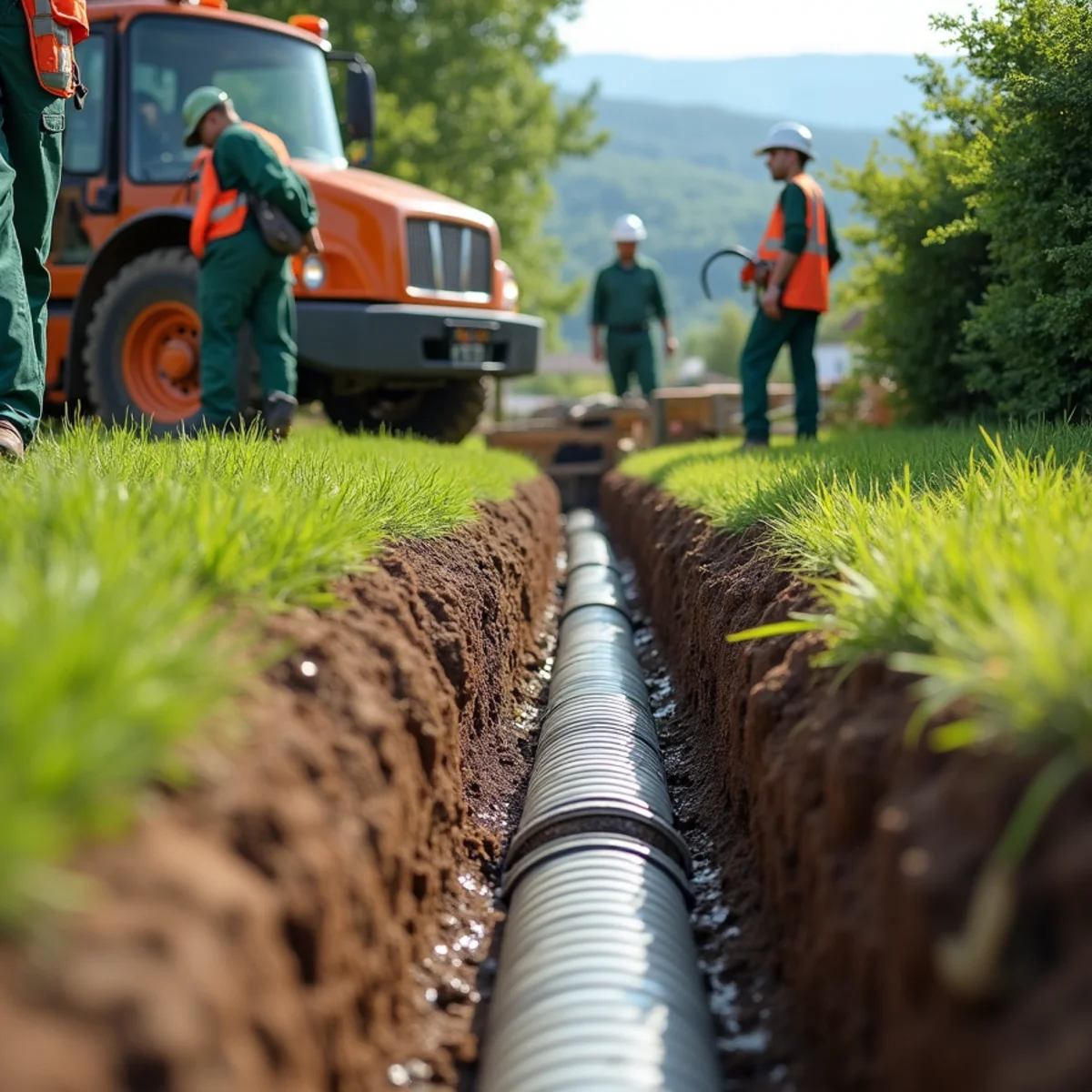
The Foundation Drainage Dilemma: Surface Discharge vs. Subsurface Routing
Every time it rains in Western North Carolina, your roof collects thousands of gallons of water that must be safely evacuated away from your home. Where that water exits at ground level determines whether your structural foundation remains dry for decades or suffers from chronic dampness, mold growth, and footing settlement. When managing downspout discharge, homeowners are faced with a fundamental choice: surface downspout extensions or engineered underground drainage pipes.
In communities like Boone, Blowing Rock, Cove Creek, and Banner Elk, steep mountain topography, rocky subsoils, and severe freeze-thaw cycles complicate this decision. A simple plastic extension that works adequately on a flat suburban lot in the Piedmont can cause severe erosion or trip hazards on a mountain hillside. Conversely, a poorly designed underground pipe installed without proper frost depth slope can freeze into a solid block of ice, backing up roof water during winter melts.
At W.P.E.S. LLC, owner Wyatt Phelps designs and installs complete residential exterior water management systems. This practical comparison guide examines the pros, cons, engineering requirements, and long-term costs of surface extensions versus buried PVC downspout drains.
Surface Extensions: Low Initial Cost, High Mountain Maintenance
Surface extensions are the most common initial approach used by builders and homeowners. These include rigid aluminum fold-up extensions, corrugated plastic accordion tubes, and roll-out vinyl sleeves attached directly to the bottom downspout elbow.
Advantages of Surface Extensions: - Minimal Upfront Investment: Surface extenders cost between $15 and $40 per downspout and can be attached in minutes with self-tapping sheet metal screws. - Immediate Visual Inspection: Because the pipe is completely above ground, you can easily verify that water is flowing during a rainstorm. - Easy DIY Replacement: If damaged, a replacement tube can be purchased at any local hardware store.
Severe Disadvantages in High Country Mountain Settings: 1. Severe Tripping & Mowing Hazards: Long plastic tubes running across walkways, lawn areas, or garden beds are unsightly and create constant trip hazards. Weed trimmers and lawn mowers frequently chew through them. 2. Inadequate Discharge Distance: Most surface extenders only reach 4 to 6 feet from the wall. In mountain soils with a porous foundation backfill zone, water discharged 5 feet out simply sinks straight down into your crawl space footing. 3. Snowpack & Avalanche Destruction: On homes with metal roofs, snow slides tumbling off eaves will crush surface plastic extenders or rip them clean off downspout boots. 4. Slope Erosion Acceleration: On sloped lots, a surface pipe focuses thousands of gallons into a high-speed jet that quickly carves an ugly gully down your lawn.
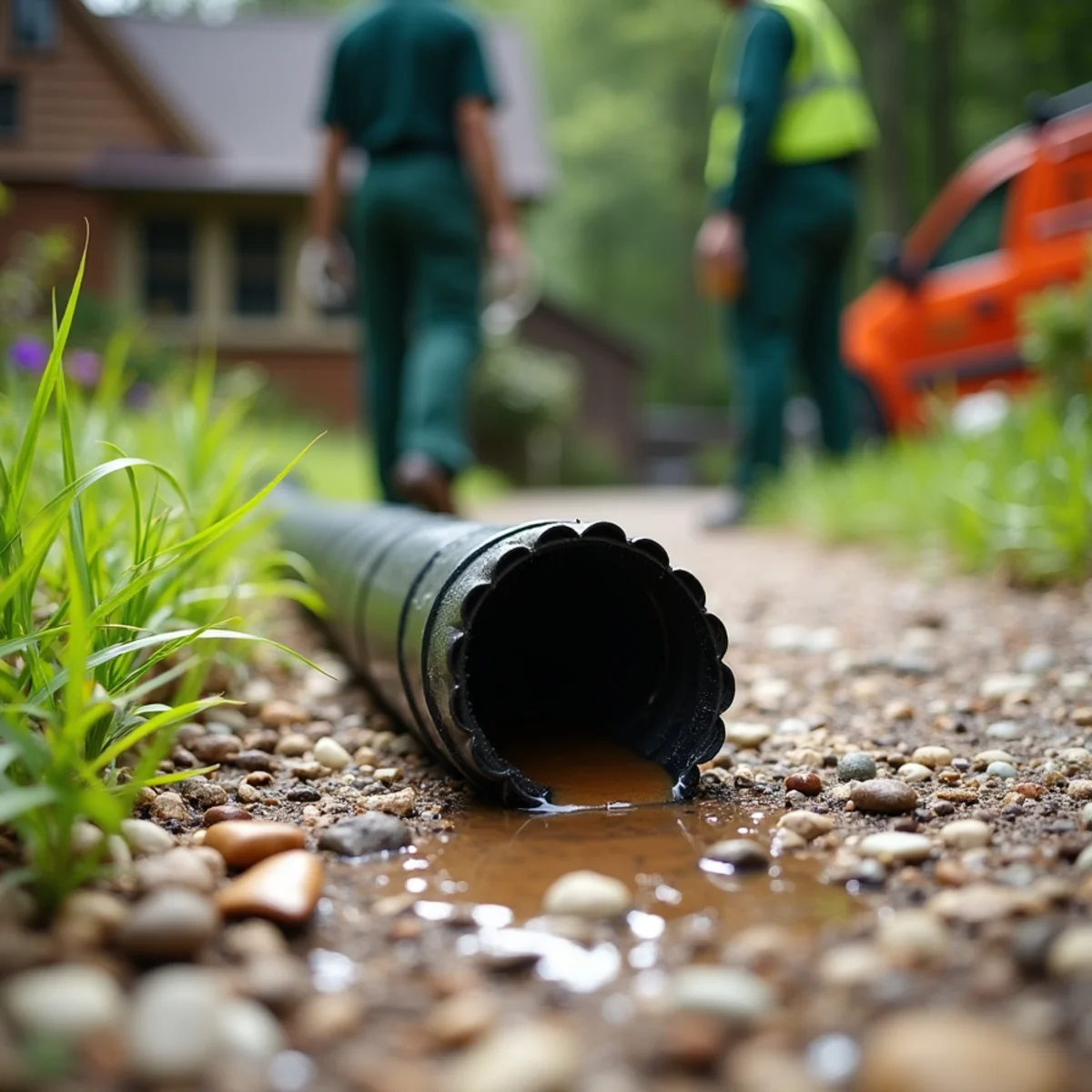
Below-Grade PVC Drainage: Engineering Permanent Protection for Mountain Foundations
An underground downspout drainage system intercepts roof runoff at the exterior wall and conveys it entirely below grade through rigid piping, discharging water dozens of feet away through daylight outlets or pop-up bubbler emitters.
Key Advantages of Buried Systems: - Ultimate Foundation Protection: By piping roof runoff 15 to 40 feet away from the home, water is discharged well outside the foundation's backfill zone, permanently eliminating crawl space water pooling and basement wall efflorescence. - Pristine Curb Appeal: All piping is buried beneath turf and mulch beds. The only visible element is a discreet pop-up emitter or a natural stone dry creek outlet, allowing seamless mowing and clean landscape lines. - Non-Erosive Controlled Discharge: Underground conduits convey water down steep slopes without disturbing surface topsoil. At the discharge point, an energy dissipation basin breaks water velocity, preventing lawn erosion. - Complete Winter Durability: Protected beneath soil, buried lines are immune to snow slide damage, mower strikes, and ultraviolet sun degradation.
The Freezing Hazard: Why Mountain Buried Drains Must Be Engineered Below Frost Depth
The number one concern mountain homeowners express regarding buried downspout drains is freezing. If an underground line freezes solid in January, subsequent winter rain and roof meltwater have nowhere to go, backing up into the downspout and bursting seams.
At W.P.E.S. LLC, we prevent freezing through strict hydrological engineering: 1. Constant Positive Gravitational Slope: Water only freezes in an underground pipe if it is trapped there. A pipe that drains completely dry within seconds after rainfall stops cannot freeze. We trench all underground lines with a minimum continuous pitch of 1/8 to 1/4 inch per foot (1 to 2 inches of drop per 10 feet), ensuring gravity evacuates 100% of liquid runoff. 2. Burial Below Active Freeze Zones: We bed pipes in washed crushed stone below the turf root layer (typically 12 to 18 inches deep), protecting the conduit from shallow surface frost penetration. 3. Spring-Loaded Pop-Up Emitters with Sump Weep Holes: At the emitter termination, we drill gravel weep holes in the bottom elbow bedded in crushed rock. This allows any residual droplets at the base of the riser to drain into the gravel bed rather than standing and freezing inside the vertical pipe.
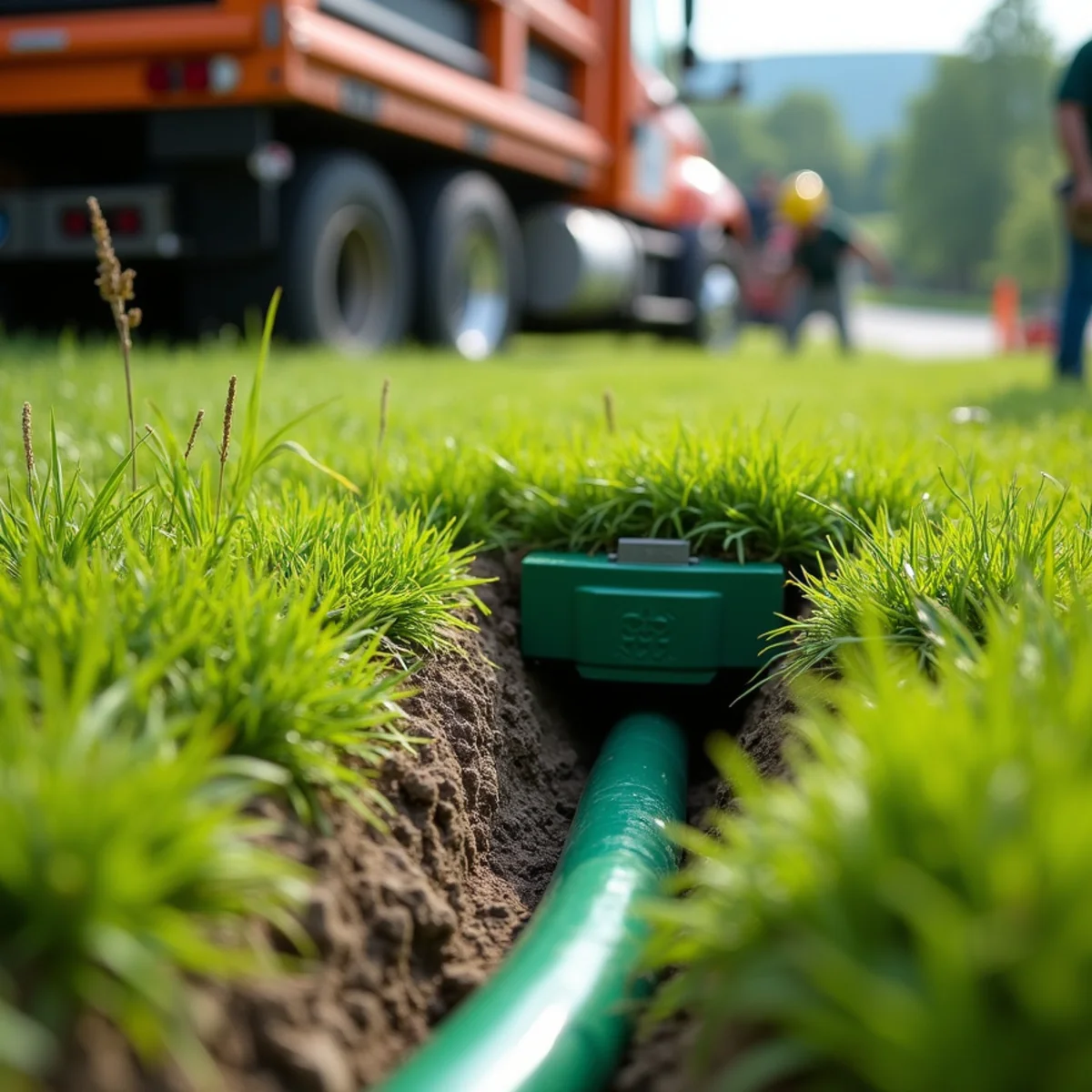
Material Selection: Why Schedule 40 & SDR 35 PVC Always Beats Corrugated Flex-Pipe
When installing an underground downspout system, the pipe material chosen will dictate whether your drainage lasts 5 years or 50 years. Many landscapers use thin-wall black corrugated tubing because it is cheap and flexible. In our mountain soil, corrugated pipe is an absolute failure.
Why Corrugated Flex-Pipe Fails: - Internal Rib Friction: The internal accordion ridges trap roof grit, pine needles, and organic sludge. Water moves slowly, encouraging silt deposits that choke the pipe within 3 to 5 years. - Crushed Under Soil Weight: Saturated mountain clay expands and contracts, easily crushing thin-wall plastic. A single vehicle or lawn tractor driving over the line will collapse it completely. - Un-Snakable: If corrugated pipe clogs, a mechanical drain snake will puncture and shred the thin plastic ribs, requiring complete excavation.
Why W.P.E.S. LLC Exclusively Installs Rigid PVC: We install smooth-wall Schedule 40 or SDR 35 rigid PVC pipe with solvent-welded or gasketed joints. The glass-smooth interior generates zero friction, allowing water and debris to fly through at high velocity. Rigid PVC withstands thousands of pounds of soil pressure and can be snaked, augered, or pressure-jetted repeatedly without damage.
Homeowner Decision Framework: Comparing Costs, Longevity, and Slope Feasibility
Use this practical framework to determine whether surface extensions or underground PVC lines are right for your property:
- Choose Surface Extensions If: You are on a strict temporary budget ($100 or less), your foundation sits on a flat lot with positive grading for 20 feet in all directions, your roof has low pitches with asphalt shingles (no snow slides), and the extensions do not cross walkways or lawn-mowing paths. - Choose Underground PVC Drainage If: You experience any crawl space dampness, your home sits on a mountain hillside or sloped grade, you have standing-seam metal roofing, you want pristine lawn aesthetics with zero trip hazards, and you want a permanent 50-year infrastructure solution.
In 2026, professional underground PVC drainage typically costs $18 to $28 per linear foot excavated, piped, and backfilled. Investing in buried drainage permanently preserves your home's structural foundation. Contact Wyatt Phelps at W.P.E.S. LLC at (321) 485-9911 to schedule your on-site drainage consultation today.
Wyatt Phelps
OwnerWyatt Phelps founded W.P.E.S. LLC in 2020 in Elk Park, NC. Serving homeowners and property managers throughout Avery, Watauga, and the Blue Ridge mountains with continuous seamless gutters, micro-mesh guards, and slope drainage.
Call Wyatt Directly: (321) 485-9911Common Questions
Frequently Asked Questions
Clear, practical answers about High Country gutters, snow loads, leaf guards, and exterior drainage.
Not when engineered properly. Pipes that maintain a continuous downhill pitch of at least 1/8 to 1/4 inch per foot drain completely dry within seconds of rainfall stopping. With no standing water inside the pipe, ice cannot form.